About Mixing & Shunt Valves Series VM/VF1000
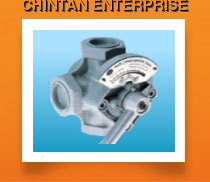
Mixing & Shunt Valves Series VM/VF1000
| MAIN CHARACTERISTICS : This type of valve is used in central heating system to ensure a hot return to the boiler and consequently achieve thermal operation at sufficiently high temperatures to prevent vapor condensation in the smokestack. Vapors, in combination with the products of combustion, can generate corrosive compounds the operating life or the boiler. MUT valves are supplied with manual control systems and can be easily motorized at any time using MUT M series and V series type motors and/or commercially available motors. MUT valves consist of a cast-iron body and an internal rotor is approximately 90. Mixing is done by a circular segment rotor in models VDM and VDF, and by a butterfly valve in models VM and VF. |
FUNCTIONAL CHARACTERISTICS :- Rated pressure PN 6 kg/cm
- Fluid Temperature 2110C
- Rotor travel 90C
|
MATERIALS : - Valve body cast-iron
- Rotor cast-iron
- Fastening screws steel
- Cover Aluminium
- Bush Aluminium
|
Reliable Performance for HVAC ApplicationsThe VM/VF1000 valve series is meticulously crafted for effective fluid mixing and shunt management, making it ideal for heating and cooling systems, including underfloor setups. Its robust construction and high-quality seat materials ensure minimal leakage and long-term dependability in demanding environments.
Flexible Installation and OperationDesigned with user convenience in mind, these valves can be mounted in any position and offer ergonomic hand levers for manual operation. The actuator interface (ISO 5211) also allows for easy integration with automated systems, enhancing flexibility for installers and users alike.
Engineered for Longevity and EfficiencyNickel-plated brass bodies and PTFE seats provide excellent resistance to wear and chemical exposure. With a low torque requirement and precise rotation angles (90/180), these valves contribute to efficient system control, minimizing energy loss and maintenance concerns.
FAQs of Mixing & Shunt Valves Series VM/VF1000:
Q: How can the VM/VF1000 valves improve HVAC and underfloor heating systems?
A: The VM/VF1000 valves enable precise control of fluid mixing and flow routing, ensuring optimal temperature regulation in HVAC and underfloor heating applications. Their low leakage rate and reliable operation help maximize system efficiency and comfort.
Q: What are the installation requirements for these mixing and shunt valves?
A: These valves can be mounted in any position, making installation highly flexible. They support both threaded and flange connections, and their ISO 5211-compatible actuator interface allows for manual or automated operation depending on your system needs.
Q: When should I use a 3-channel versus a 4-channel valve in my application?
A: A 3-channel valve is typically used for simple mixing or diverting flows, while a 4-channel valve is suitable for more complex circuits where both mixing and shunting are required. The choice depends on your specific systems configuration and functionality requirements.
Q: Where can these valves be applied besides traditional HVAC systems?
A: In addition to HVAC and underfloor heating or cooling, these valves are well-suited for any system that requires precise control of water or glycol-based media within the allowed temperature and pressure ranges.
Q: What is the process for integrating these valves with an actuator?
A: Simply connect the valves ISO 5211-compatible interface to your selected actuator following manufacturer guidelines. The low torque requirement (<8 Nm) makes them compatible with a wide range of standard automation devices.
Q: What benefits does the ergonomic hand lever provide?
A: The ergonomic design of the hand lever offers improved grip and ease of adjustment, making manual operation more comfortable, especially during frequent usage or in tight installation spaces.






 Send Inquiry


 Send Inquiry
