About Diaphragm Pressure Reducing Valves
Diaphragm Pressure Reducing Valves
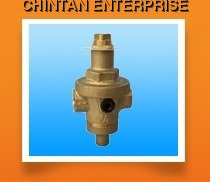
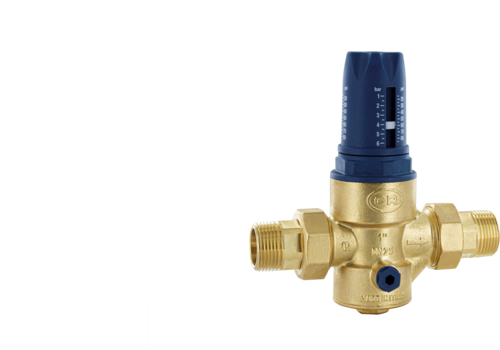
0204 - Diaphragm Pressure Reducing Valves with Compensation and Stainless Steel Seat
| HYDRAULIC FEATURES |
Model suitable to reduce very high pressure (max 25/40 bar) and where a much reduced pressure is needed steadily even if the inlet pressure can change. |
| TECHNICAL FEATURES |
| Max inlet working pressure: | (Mod. 204) 40 bar |
| (Mod. 214) 25 bar |
| min. 1 max 7 bar |
|
| Setting % tolerance of the setting in varying the inlet pressure : 10% Max temperature (water): 80C Preset : 3 bar Threading for Waterworks: UNI ISO 228/1 Manometer Joint: ISO 7/1 Tests following EN 1567 |
| CONSTRUCTION |
| Sizes " - 2" in brass EN 12165 - CW617N Sizes 2" - 2" in bronze EN 1982 - CC491K NBR diaphragm with textile inserts Seat washer and washers in NBR rubber Stainless steel seat AISI 303 |
| CONNECTIONS: FEMALE/FEMALE |
|
Versatile Pressure Control SolutionsOur diaphragm pressure reducing valves offer versatile performance for multiple industries including water, gas, oil, steam, and chemical applications. Designed for reliability and flexibility, these valves handle pressures up to 16 bar and temperatures required in diverse pipeline systems. Whether you require flanged, threaded, or socket end connections, robust body coatings and multiple control types provide unmatched adaptability.
Precision Engineering and Standards ComplianceBuilt to conform with leading ISO, DIN, and BS standards, these valves guarantee high performance and durability. The reinforced EPDM or PTFE diaphragm ensures leak-proof operation, while materials such as cast iron, stainless steel, and PVC provide long service life even under harsh conditions. Available actuator mounting and a variety of handle types make integration seamless within automated or manual systems.
FAQs of Diaphragm Pressure Reducing Valves:
Q: How do diaphragm pressure reducing valves maintain pressure stability in pipeline systems?
A: Diaphragm pressure reducing valves utilize a flexible diaphragm and a pressure sensing control mechanism to automatically adjust and maintain downstream pressure, ensuring stable and efficient flow across varying pipeline conditions. This is essential in applications such as water treatment, chemical processing, and steam distribution.
Q: What types of media are compatible with these pressure reducing valves?
A: These valves are compatible with a wide range of media, including water, oil, gas, air, steam, and chemicals, owing to their corrosion-resistant coatings and a selection of sealing materials like EPDM, PTFE, and NBR. This versatility makes them suitable for industrial, commercial, and municipal operations.
Q: When is it necessary to use actuator-mounted valves instead of manual operation?
A: Actuator-mounted pressure reducing valveswhether pneumatic or electricare preferable in systems requiring automated control, remote operation, or integration into a central control system. Manual types with handwheels or levers are suitable for simpler, less frequently adjusted installations.
Q: Where can these valves be mounted within a pipeline system?
A: These diaphragm pressure reducing valves are designed for both horizontal and vertical installation, allowing flexibility for various pipeline layouts and space constraints. The mounting position can be selected based on the specific requirements of the system and ease of accessibility.
Q: What are the main benefits of using reinforced EPDM/PTFE diaphragms in these valves?
A: Reinforced EPDM/PTFE diaphragms provide superior chemical resistance, durability, and long operational life, ensuring consistent performance even with aggressive or variable media. This helps minimize downtime and maintenance costs in critical applications.
Q: How do I select the correct valve size and pressure rating for my application?
A: Selection depends on factors such as the pipeline size (DN15 to DN200), maximum operating pressure (up to 16 bar), required flow characteristics (linear or equal percentage), and compatibility with the media being handled. Consulting relevant standards (ISO/DIN/BS) and considering both design pressure (PN10/16/25) and process specifics will help determine the optimal valve configuration.






 Send Inquiry


 Send Inquiry
